For the last year, I’ve done my training activities away from the Garmin watches, after a short adventure with Enduro 3 deciding for Suunto Race 2 and then Vertical 2.
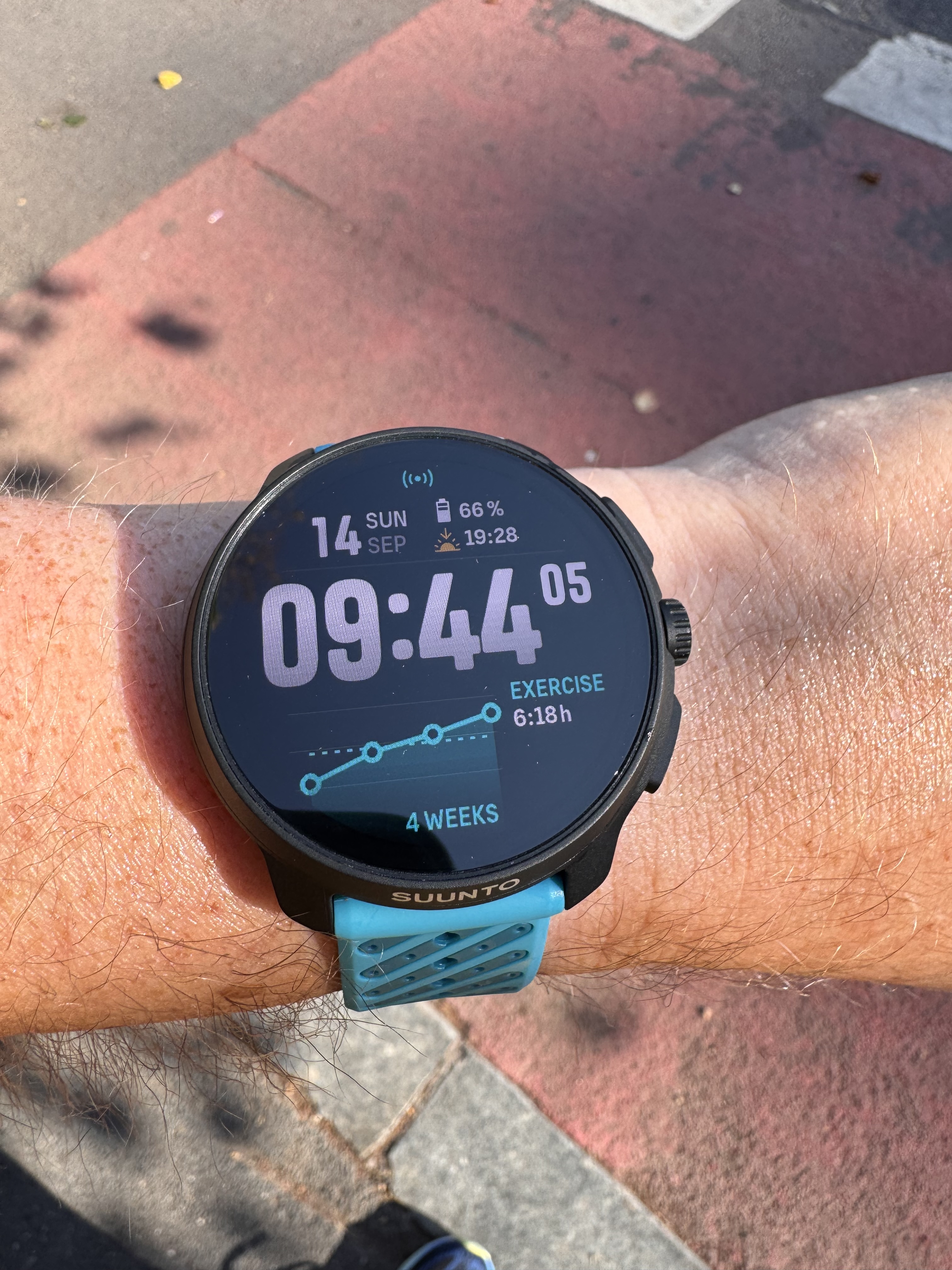
I preferred them for the looks, simplicity and effectiveness and they delivered. They are not by any means perfect .. but neither am I .. look for example at the reason of changing the Race 2 to Vertical 2 – driven by the fact that Race 2 was smoothening too much the distance in their firmware and there was little visibility when that would have been corrected and also the fact that “real torch” was a itch too present in my life.
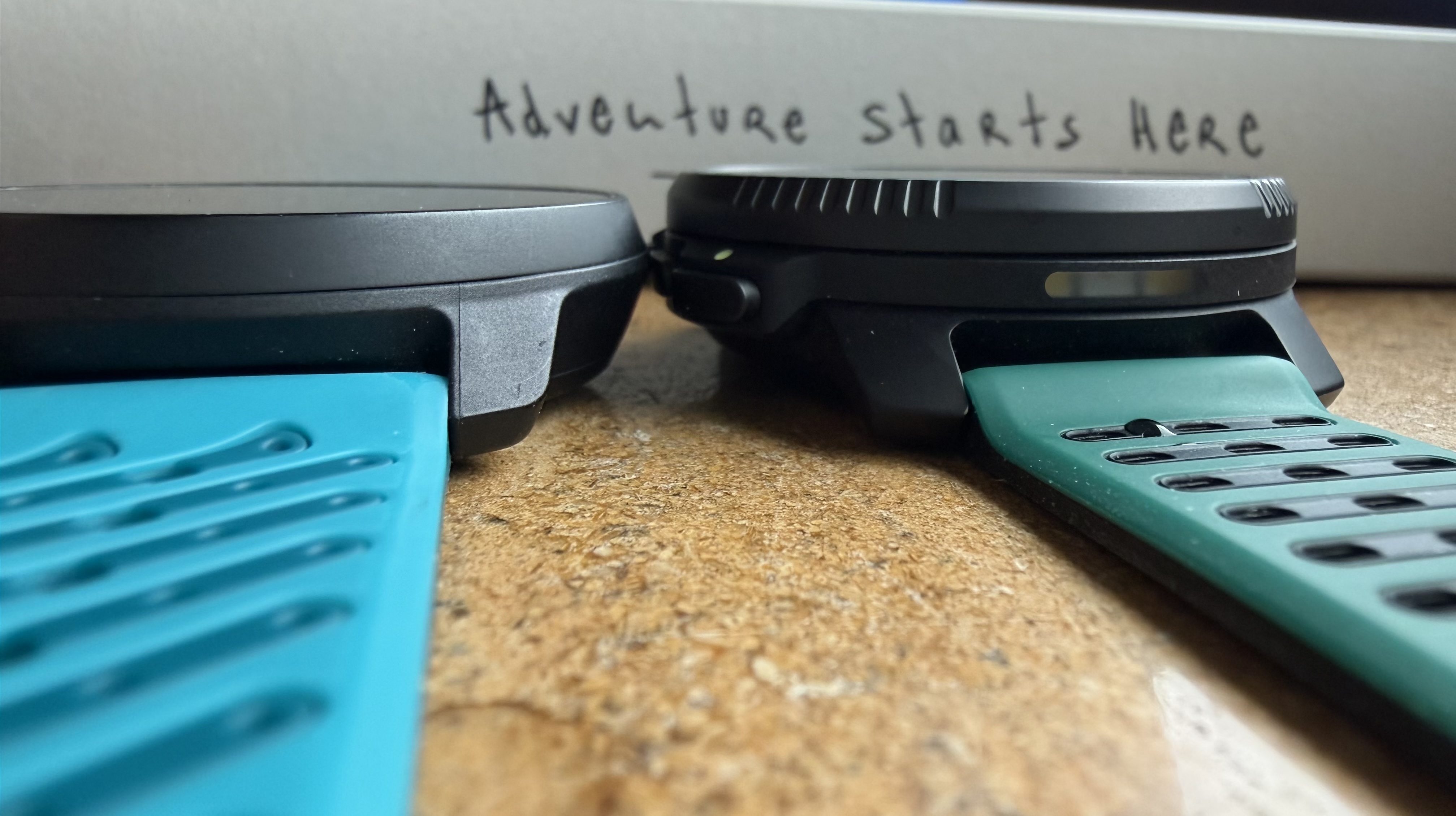
The transition to Vertical 2 was simple, but also brought some bulkiness, as the Vertical 2 is similar in width, but weight was higher and also the thickness. For example, Race 2 was 12.5mm and Vertical 2 went up to 13.6mm.
Now, in the constant battle on my wrist, Apple Watch Ultra 3 brings a svelte body with only 12mm thickness making it the primary candidate to wear under the shirt sleeve.
As a tech geek, I always look for new gadgets and tools to try, this is part of the motivation to move more and to measure the activity. I still consider Garmin to be a bit too much, inventing new indicators every year derived from some measurements and more algorithms – that was one of the main reasons to opt for Suunto – a bit more streamlined and focused on sports rather than educating you how to move and how to understand yourself.
But in the end, although Fenix 9 doesn’t bring much in addition to Fenix 8, I joined the line for ordering the new Fenix 9 Pro 51mm. I liked the titanium looks and also my experience with Garmin Fenix (and Epix Pro or Enduro) was generally OK – yes, they were not perfect, but reliable – haven’t crashed and always delivered more than I needed for my sports life.
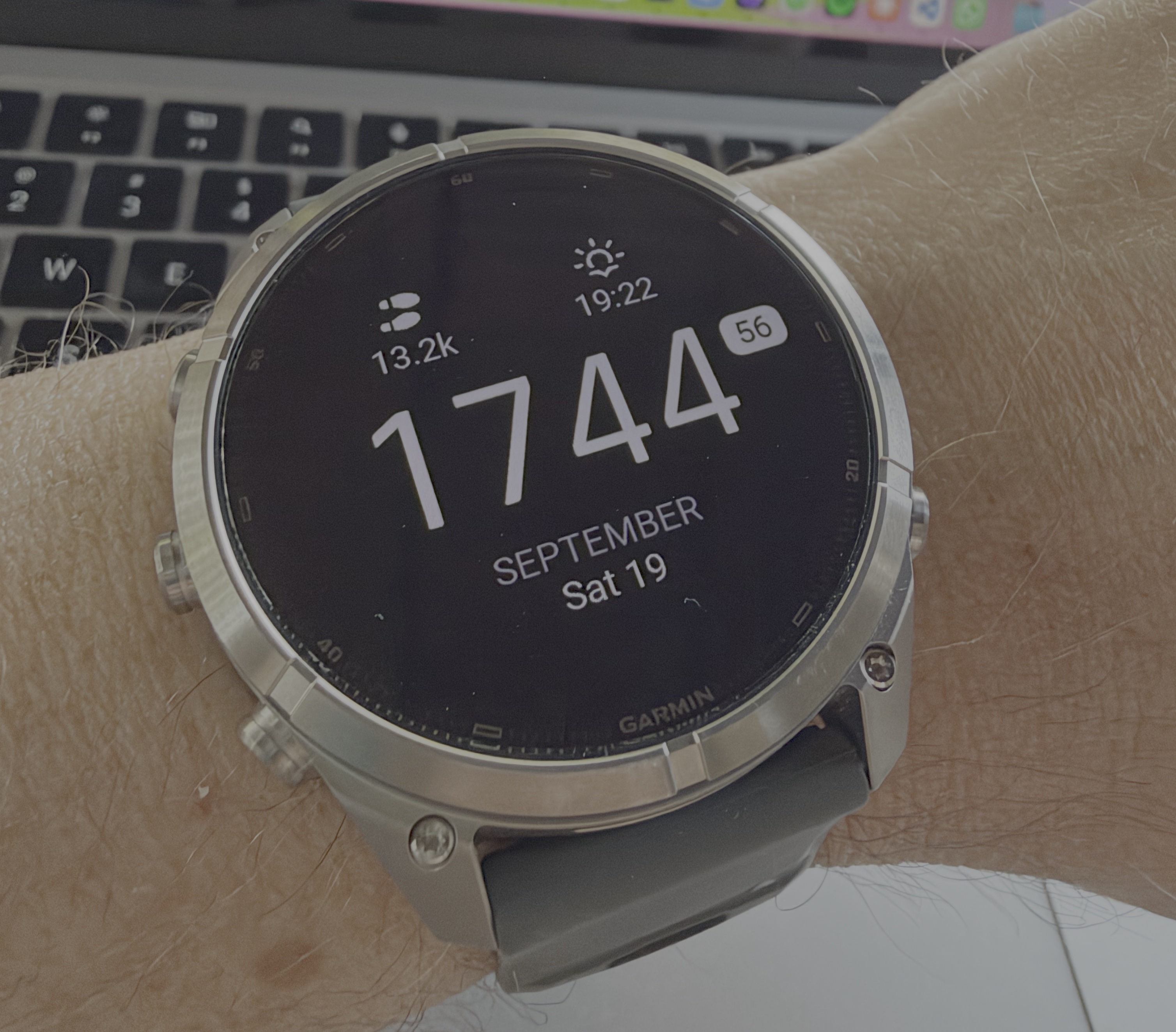
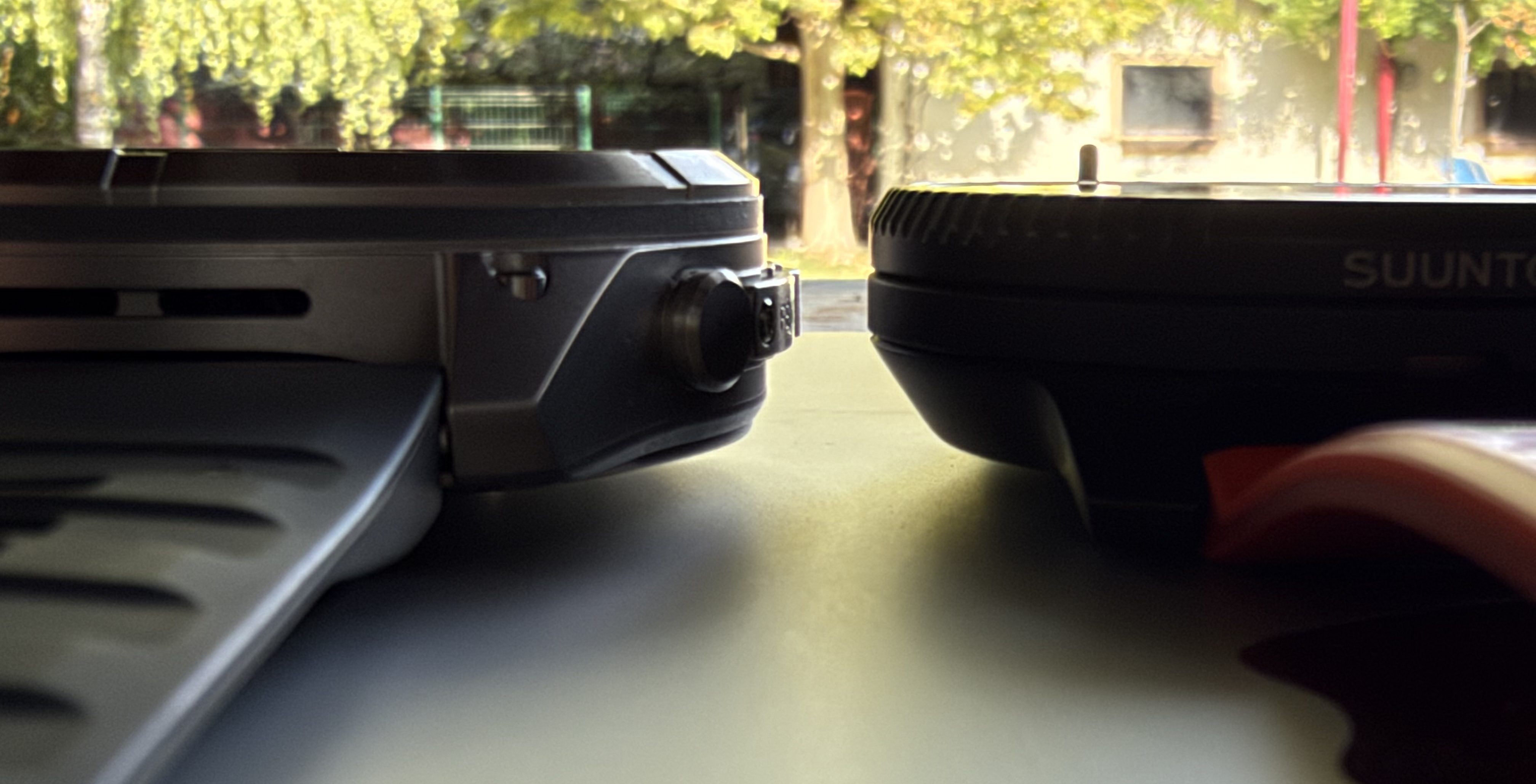
The Fenix line was never the slim one, especially for the 51mm models which were the bigger size of the lineup – they were between 14.9mm (Fenix 7X) and now 15.8mm (Fenix 9) .. even 16.6mm (the Solar version of the Fenix 9 Pro 51mm).
And that shows .. I mean, it’s hard not to see the difference .. and I don’t have a small wrist.
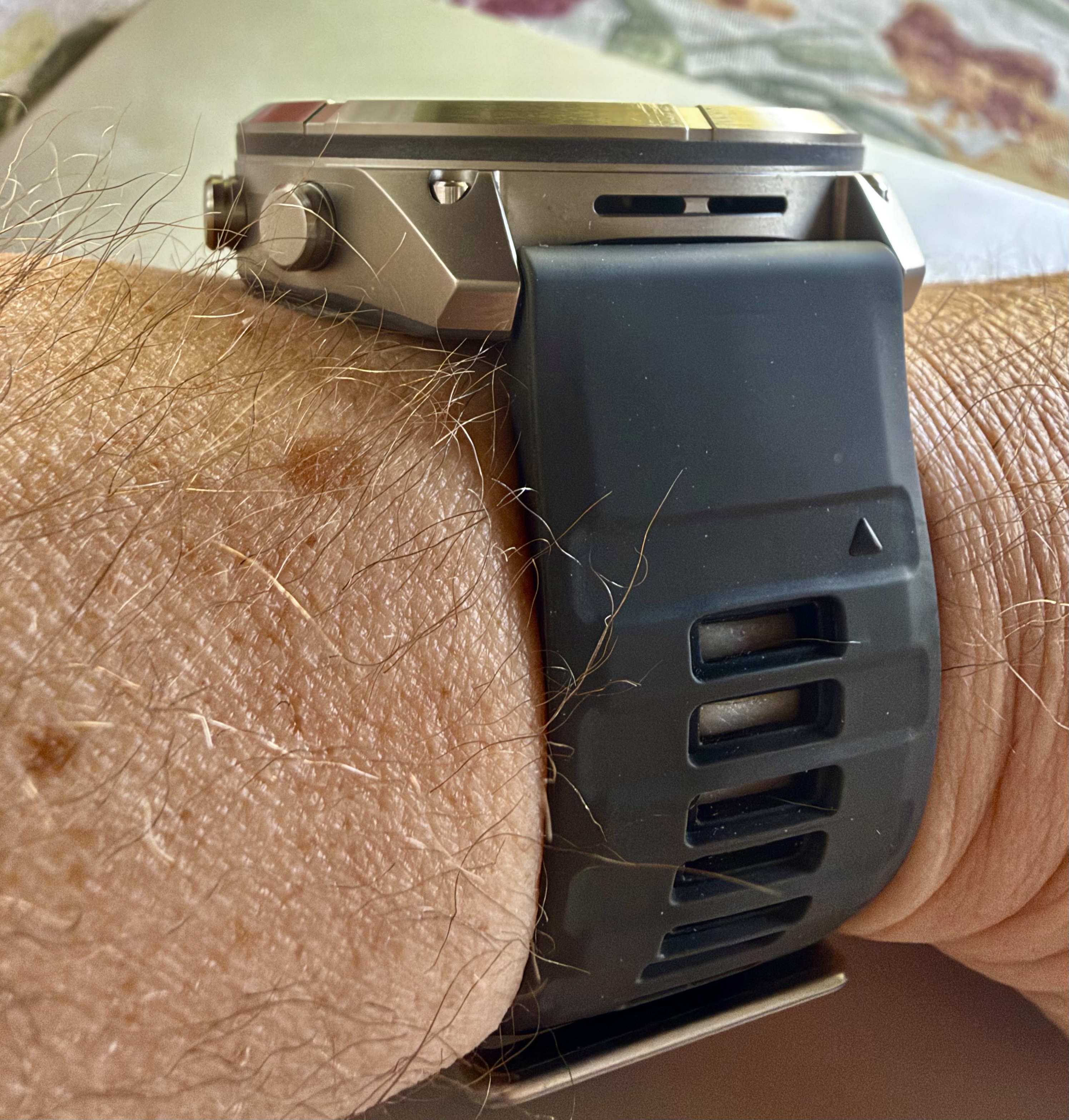
Since my journey with Fenix 9 Pro has just begun, I won’t transform this post into a review .. it works the same like the previous Fenix I had (the last Amoled was a Epix Pro Gen 2 51mm), the GPS performance is similar (compared with Vertical 2 it tends to add some meters more, but not dramatically and at least it’s consistent), user interface is even more complicated (to me at least .. the activities part looks like you need to have a Phd to navigate into all the options) but the 5 buttons are there and the familiarity for me worked ok.
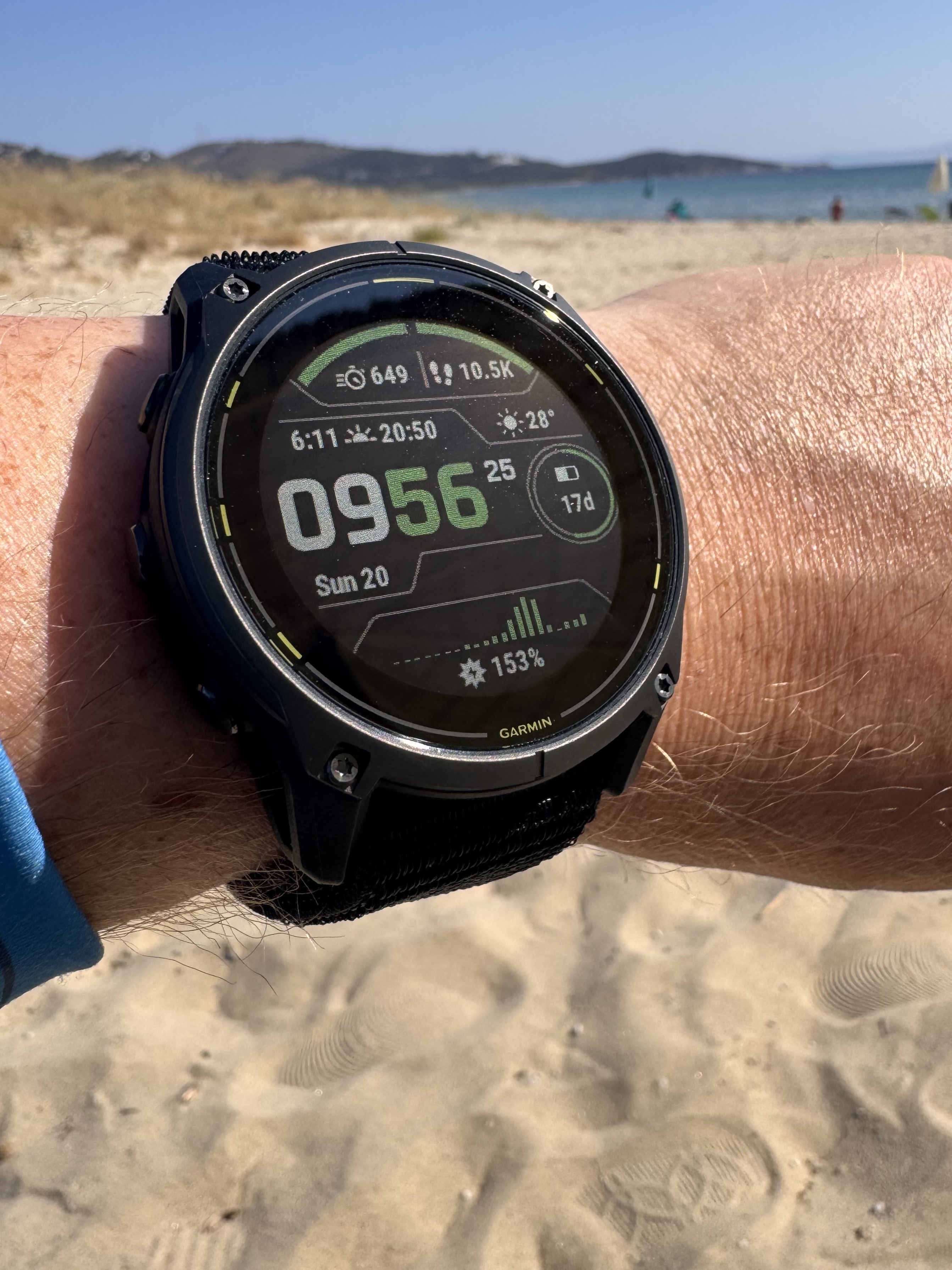
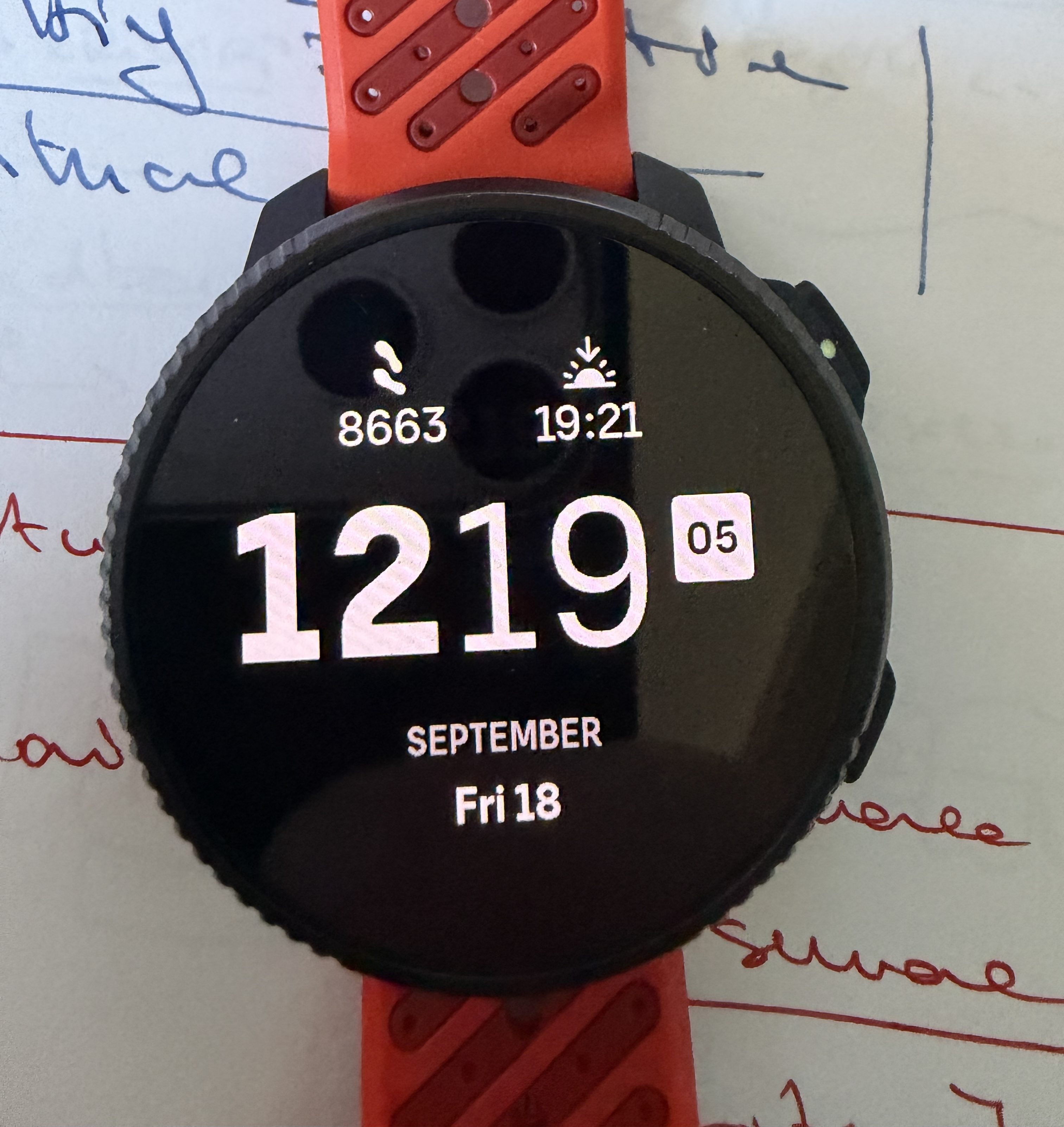
What I missed from Vertical was the simple approach to displaying things – so the watch faces (at least the digital ones) are complicated and childish in my opinion…and that inspired me to design a watch face to remember the Vertical which I continue to appreciate.
I tried initially the FaceIt capability within Connect IQ app, but that has some certain limitations.
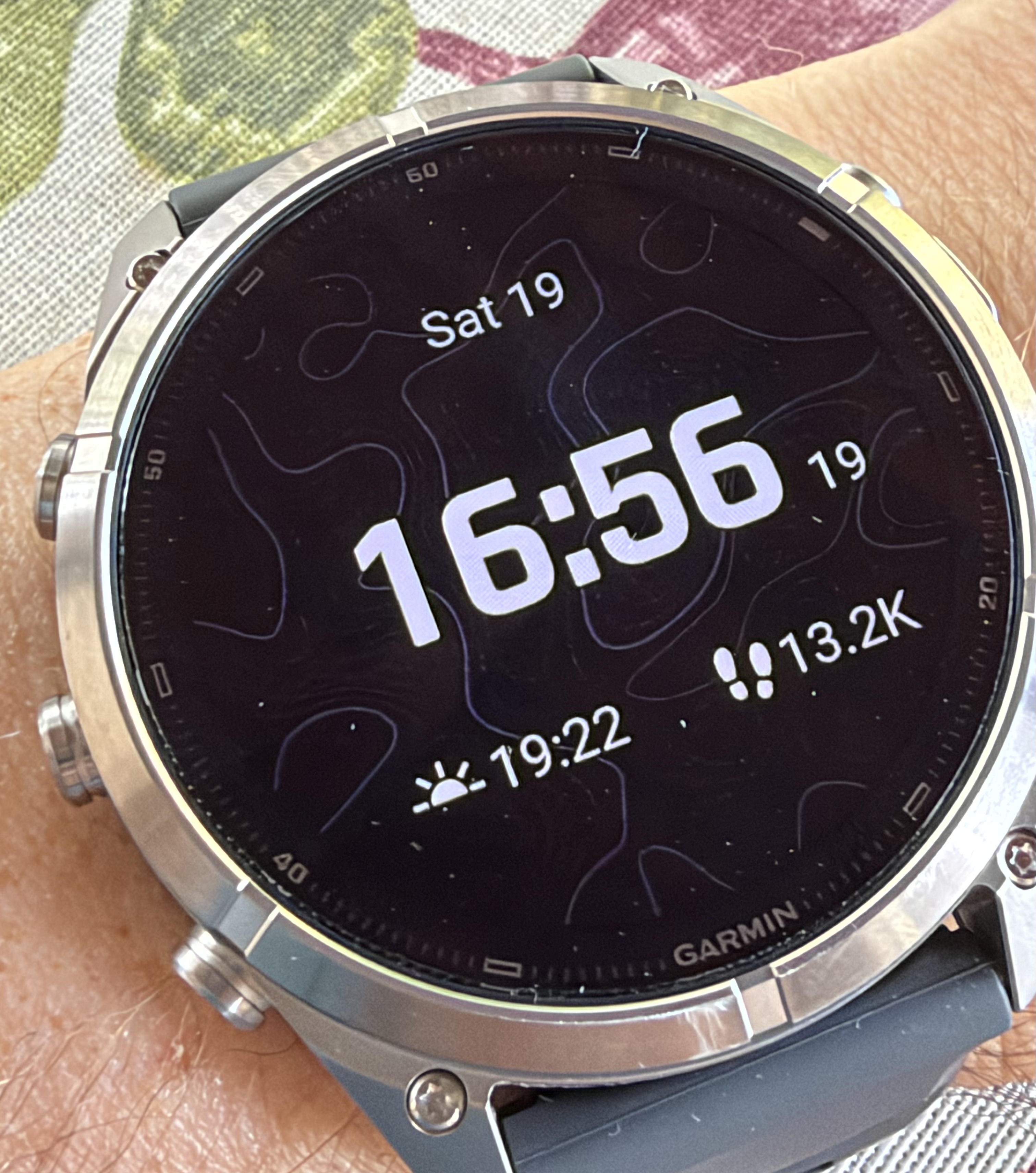
The FaceIt solution was a decent one, very fast and I liked that .. but it had some shortcomings:
- you can only use two fields for Sunrise and Sunset time .. not a smart one which changes the value depending on the relevance (meaning – I want to see the sunrise time for tomorrow if the sun is already off today) and adding two fields on the screen felt like an awkward compromise to me
- you can add seconds on the face, but they will stay there (with the last updated value) when the watch is not fully awake – meaning that the seconds will update as long as you look at them (have the watch facing you), but they won’t disappear and stay with the same last value while the AOD stays on – and that’s weird implementation from Garmin
- the fonts are not customisable .. or at least not to the extend I wanted.
So…I started designing a private watch face for me .. without learning Monkey C and reading all the documentation from Garmin. It was a work for 2 hours in the morning with Claude (initially Sonnet and then Opus 5) and the progress was smooth. I already had the VS Code installed, I only installed the SDK from Garmin and followed Claude’s instructions.
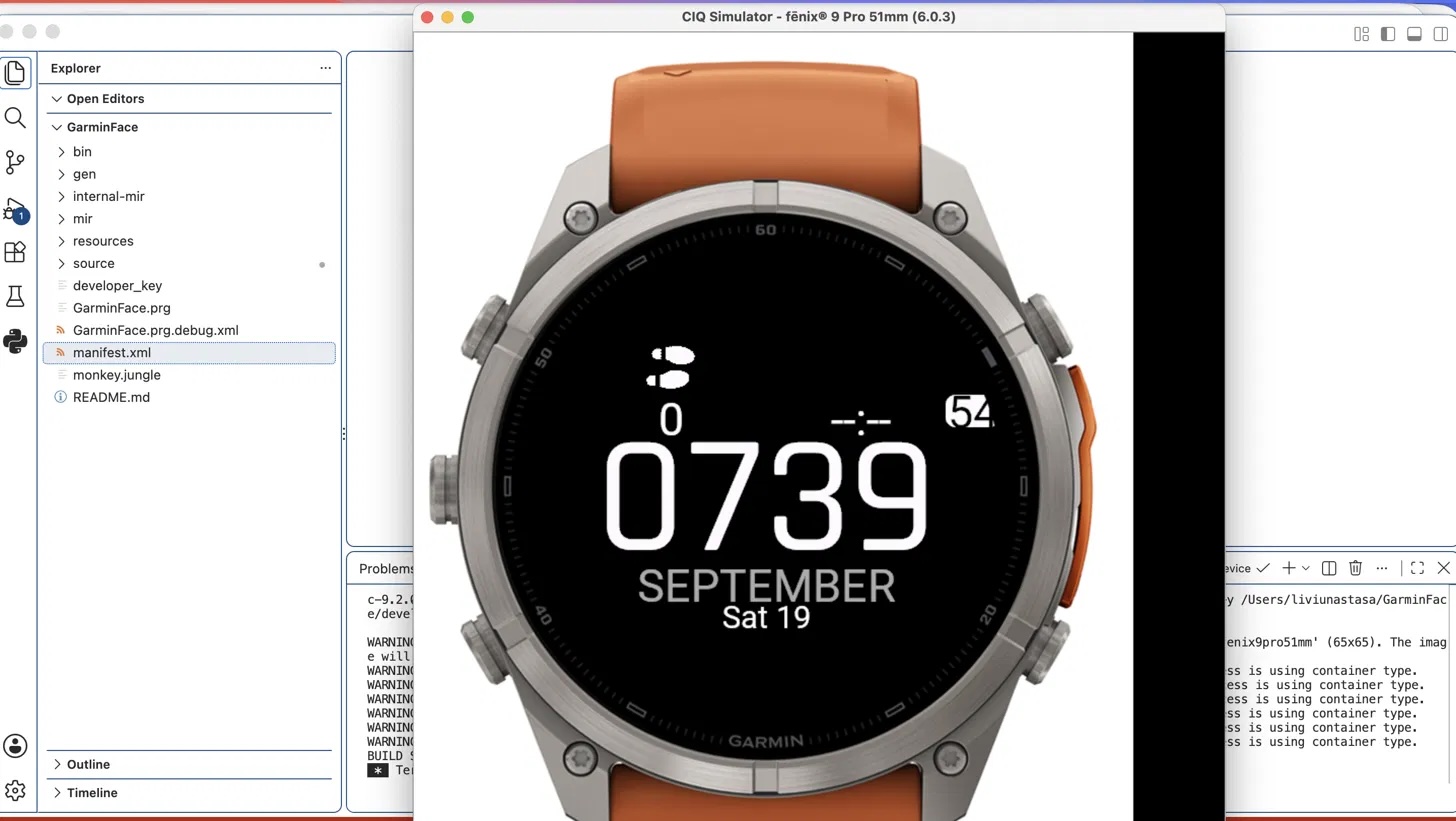
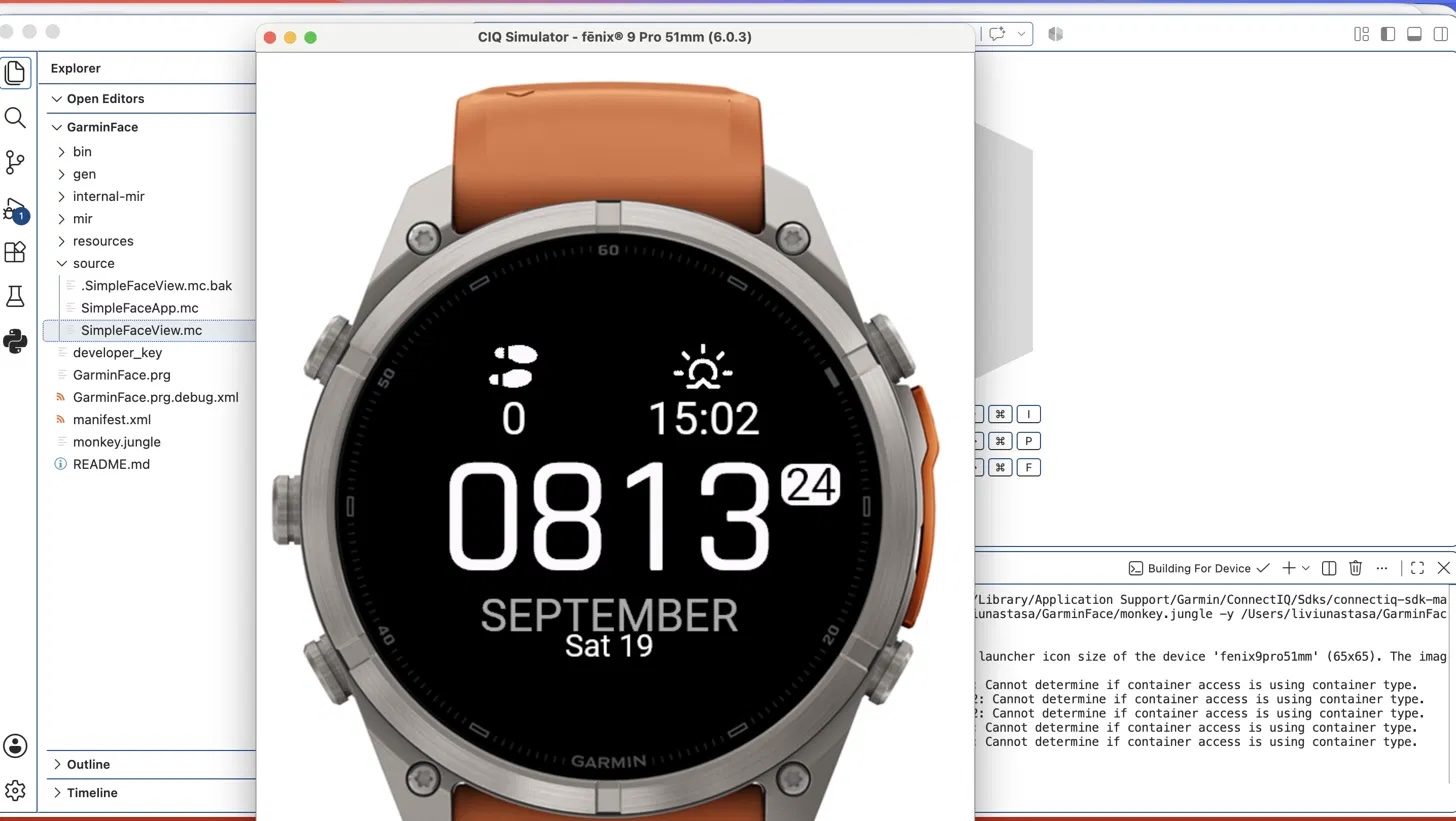
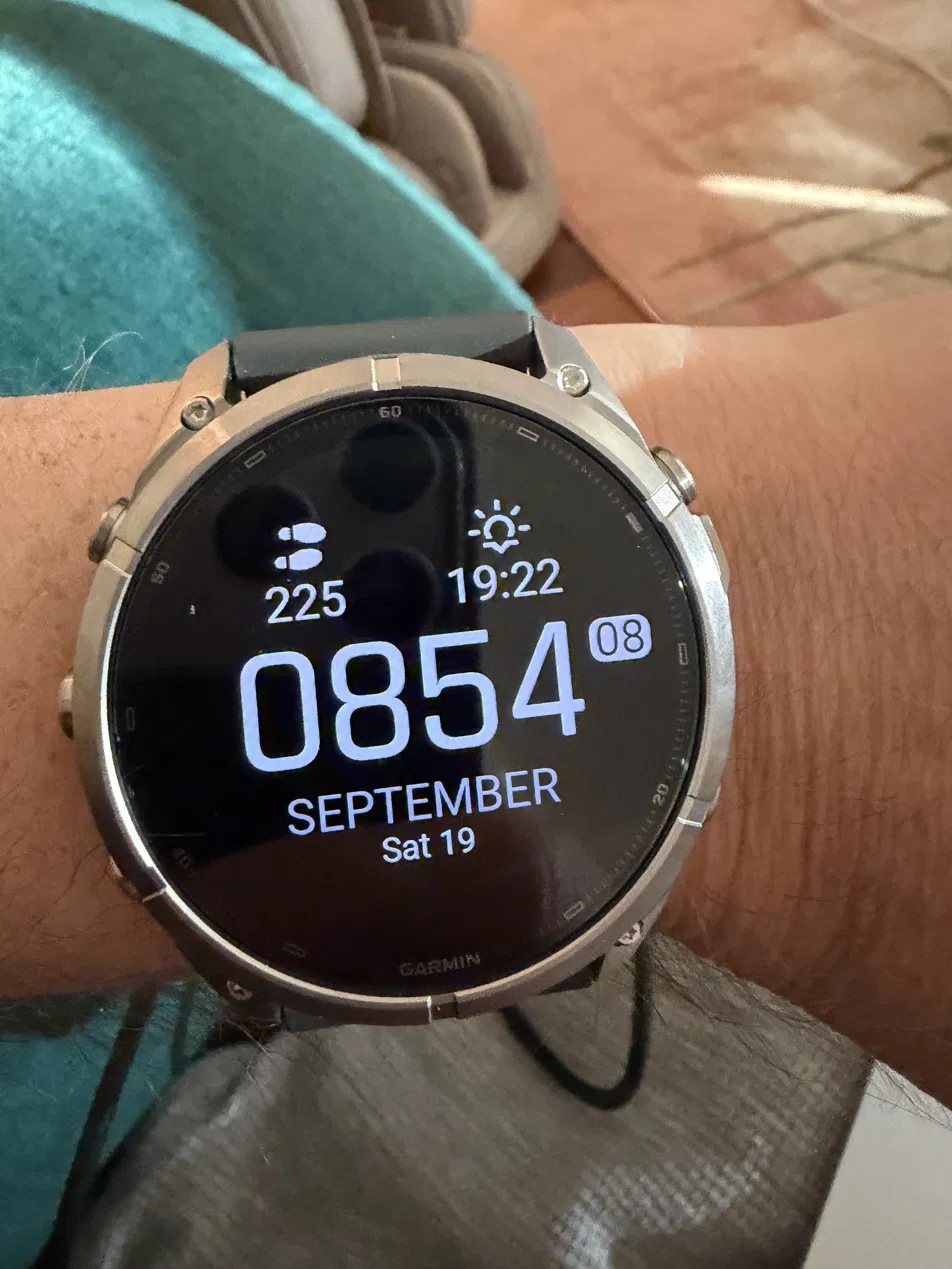
It wasn’t as simple as only crafting a prompt, but an iterative approach and tests, some deployments to my watch to see it live .. but nothing complicated.
In the end, I managed to get to the watch face I wanted to have, also added some elements of efficiency (my biggest fear was not to drain the battery by deploying an app I haven’t written myself while knowing the details of the implementation) – the updates of the sunset/sunrise happen only twice a day or triggered by a change of location, steps are updated every second only if the watch face is active, otherwise they are updated every minute.
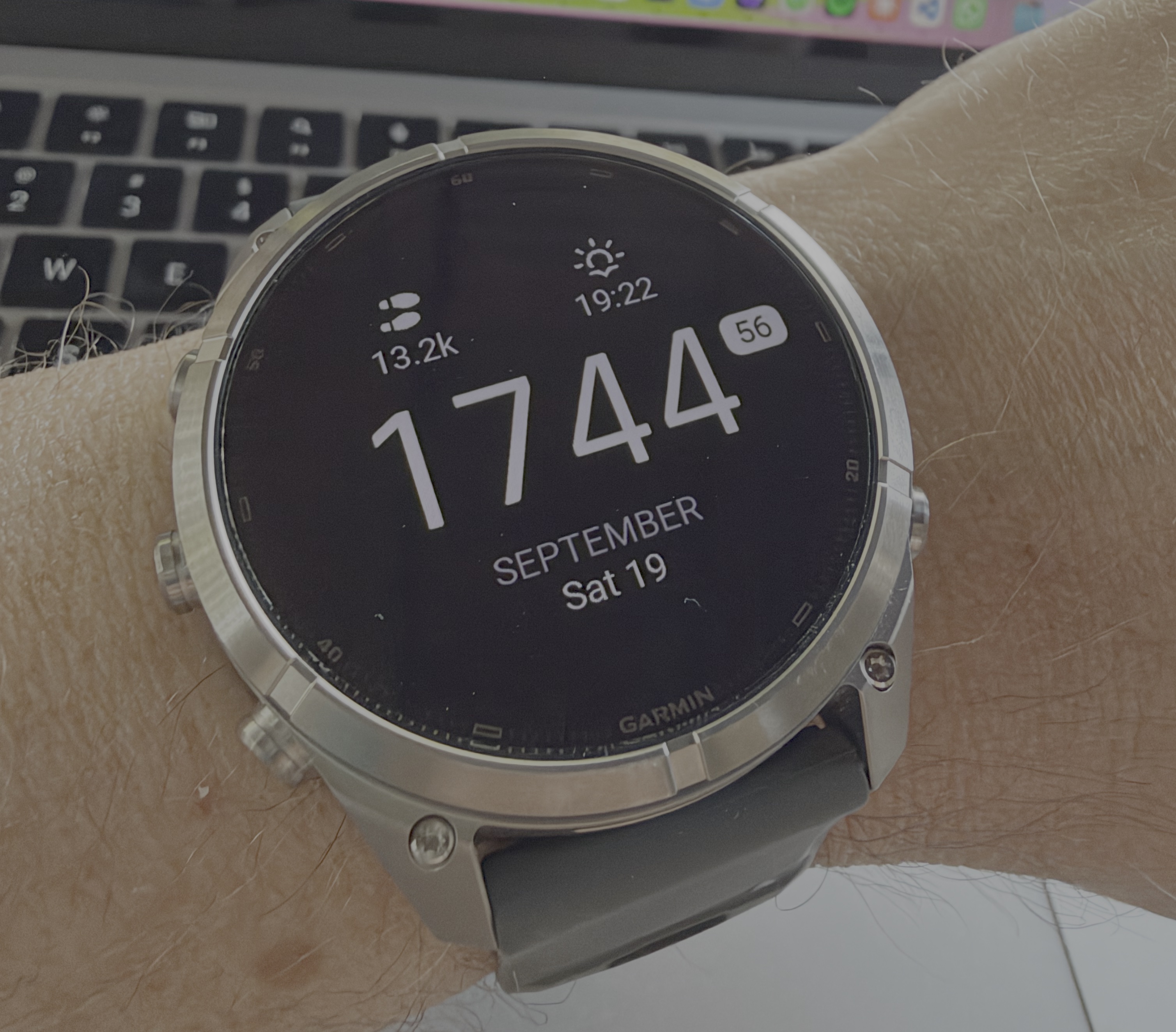
I’m happy now that I have the legacy there with the Vertical, the simplicity of the watch face and also that I’ve seen once again how I can use AI to accelerate development. I. don’t consider myself by any means a developer that knows the Garmin SDK or use it properly .. so far, the battery and stability of the watch looks fine, I’ll continue to monitor that.
Anyway .. the transition began .. let’s see how that goes.
Discover more from Liviu Nastasa
Subscribe to get the latest posts sent to your email.


